
English| EUR
Suggested for you
More currencies
Choose a language
Barcelona's Mediterranean coastline offers accessible snorkeling from public beaches, with visibility that peaks in the morning hours before wind and boat traffic stir the sediment. This guide covers the spots that deliver the clearest water, the species you'll encounter below the surface, and the practical details that determine whether you'll see rocky reefs or cloudy nothing.
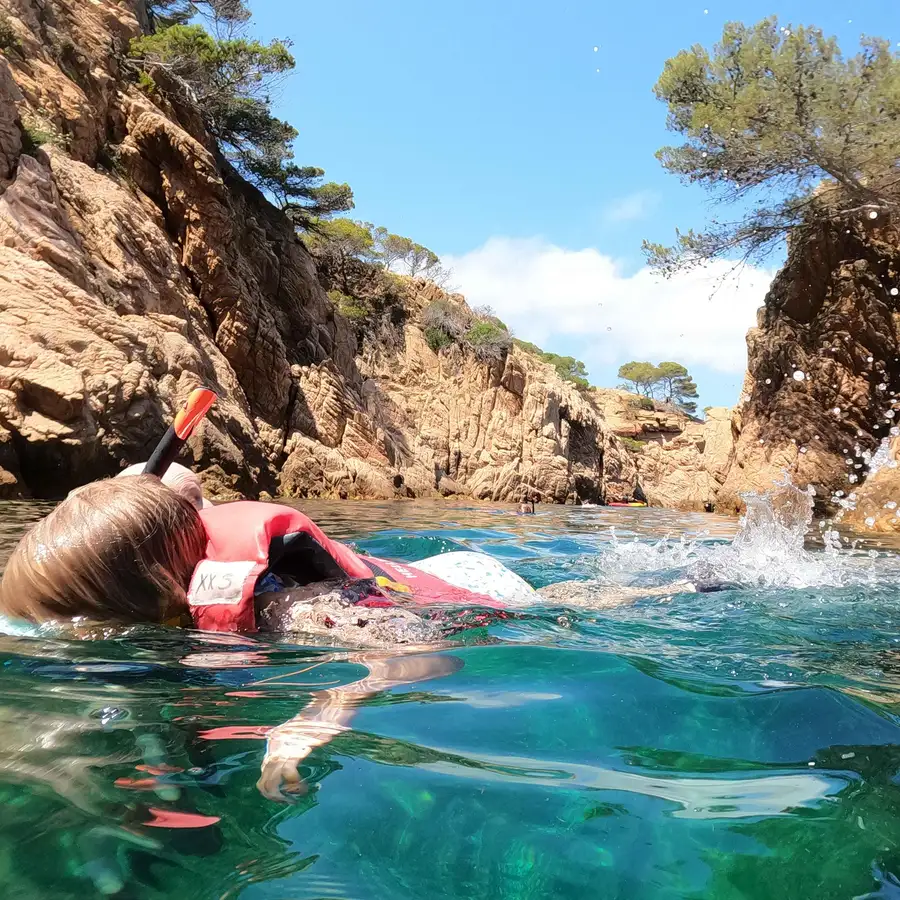
Quick answer
Snorkeling near Barcelona is free and accessible year-round from the city's public beaches, with the best conditions between 08:00 and 11:00 when morning calm keeps visibility high. The clearest water and most diverse marine life concentrate at the northern and southern ends of the coastline—away from the central urban beaches—where rocky substrate replaces sand and species like sea bream, octopus, and damselfish shelter in the crevices.
Barcelona's city beaches stretch four kilometers along a coastline that was heavily reengineered for the 1992 Olympics, and much of that central sand offers shallow, featureless bottom with limited visibility. The snorkeling worth planning for lies at the margins: the rocky zones near Barceloneta's breakwaters to the south and the coastal towns just north of the city limits, where natural substrate and lower swimmer density create habitat that actually holds marine life. Morning arrival makes the largest difference to what you see underwater. Mediterranean wind patterns typically build through the day, and afternoon waves suspend fine sediment that cuts visibility to arm's length or less. The 08:00 to 11:00 window captures the stillest water, and on calm days in late spring or early autumn, visibility can reach six to eight meters over rock. Summer brings warmer water and calmer seas, but also peak tourism—weekend mornings at Barceloneta can see dozens of snorkelers concentrated in the same narrow band along the breakwater. Midweek visits and shoulder-season timing shift the balance back toward solitude. Marine life in these waters is典型 Mediterranean: small, cryptic, and concentrated around structure. You'll spot ornate wrasse, painted combers, and schools of salema moving over eel grass beds, with occasional cuttlefish or small octopus tucked into rock fissures. The biodiversity is modest compared to tropical reefs, but the accessibility is unmatched—no boat charter required, no entrance fee, and metro stops within five minutes' walk of several productive sites. For snorkeling near Barcelona, success is less about exotic species and more about reading conditions, arriving early, and knowing which stretches of coast trade sand for stone. Gear needs are minimal but non-negotiable: a mask that seals without gaps, a snorkel with a purge valve, and reef-safe fins for anything beyond wading depth. The city beaches have no dedicated snorkel-rental infrastructure, so bringing or buying your own equipment is standard. Water temperature ranges from 13°C in winter to 26°C in August, and most snorkelers wear a shorty wetsuit from October through May.
“Morning arrival makes the largest difference to what you see underwater—afternoon waves suspend sediment that cuts visibility to arm's length or less.”
The best time for snorkeling near Barcelona is during the morning hours, specifically the 08:00–11:00 arrival window. This period offers the clearest water conditions and allows you to enjoy the Mediterranean before beach crowds peak.
Warm water, 24–26°C. Excellent visibility, but arrive early to avoid peak afternoon swimmers.
Cooler water, 20–23°C. Settled sea conditions provide high clarity for coastal observation.
—. Ideal for quiet exploration and clearer water visibility before midday arrivals.
Verdict: The optimal experience occurs on weekday mornings between June and October, utilizing the 08:00–11:00 arrival window for the best water clarity.
Barcelona city beaches remain accessible for snorkeling throughout the week. Access is permitted at all times, allowing visitors to enter the water according to their own schedule.
Barcelona city beaches are located along the Mediterranean coastline and are easily accessible via the city's integrated public transport network. The most efficient approach involves using the metro or bus lines that terminate near the waterfront.
L4 line to Barceloneta station
V15 or V17 lines to Pg. Marítim
From Barceloneta metro to beach
To ensure the best conditions, aim for the best arrival window of 08:00–11:00 to enjoy clearer morning water and fewer crowds before peak midday activity.
Barcelona's Mediterranean beaches are public and free, but proper gear and planning ensure a safe, comfortable outing.
Everything you need to know about snorkeling near barcelona
Yes, the calm Mediterranean waters offer a welcoming environment for those new to exploring the coastline. Many shallow areas allow you to practice basic skills safely.
The best arrival window is 08:00–11:00 to enjoy clearer morning water and fewer crowds. Visiting during these hours helps you avoid peak midday activity at the beach.
There is no cost to access the shoreline as entrance is 0 EUR for all public Mediterranean beaches. You are free to explore these coastal areas at your leisure.
While you can explore on your own, booking a guided snorkeling in Barcelona tour provides access to local expertise and specialized equipment. These sessions are helpful if you want to discover hidden spots safely.
You may encounter various Mediterranean fish, sea grasses, and occasionally small octopuses among the rocky breakwaters. Maintaining a respectful distance from all marine life ensures their safety and yours.
Public beaches are generally safe for families, provided you stay within marked swimming areas and keep an eye on current conditions. Ensure children have appropriate flotation devices if they are not strong swimmers.
Pack essentials like a mask, snorkel, fins, and reef-safe sunscreen to prepare for your experience. Do not forget a towel and sufficient water to stay hydrated throughout your visit.