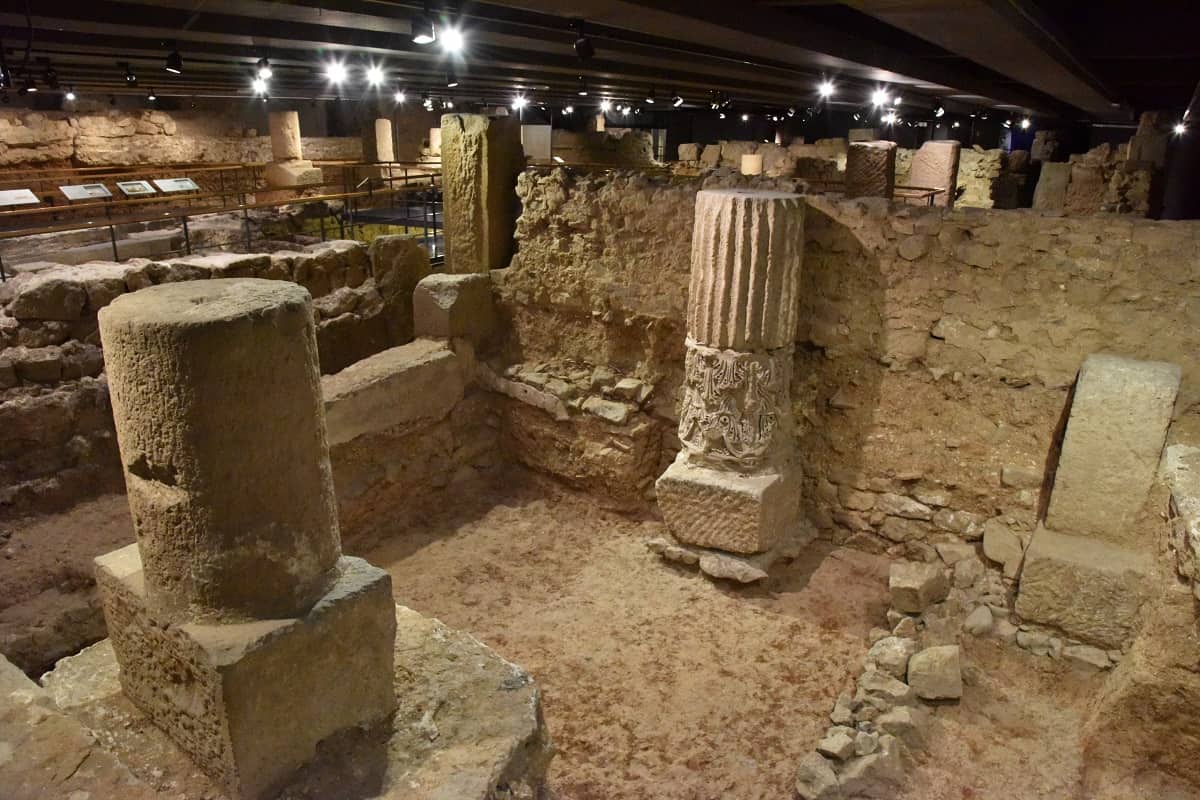
Barcelona History Museum - MUHBA
15 min walk
This museum offers insight into the Roman origins of the city, providing a historical contrast to your morning in the water.

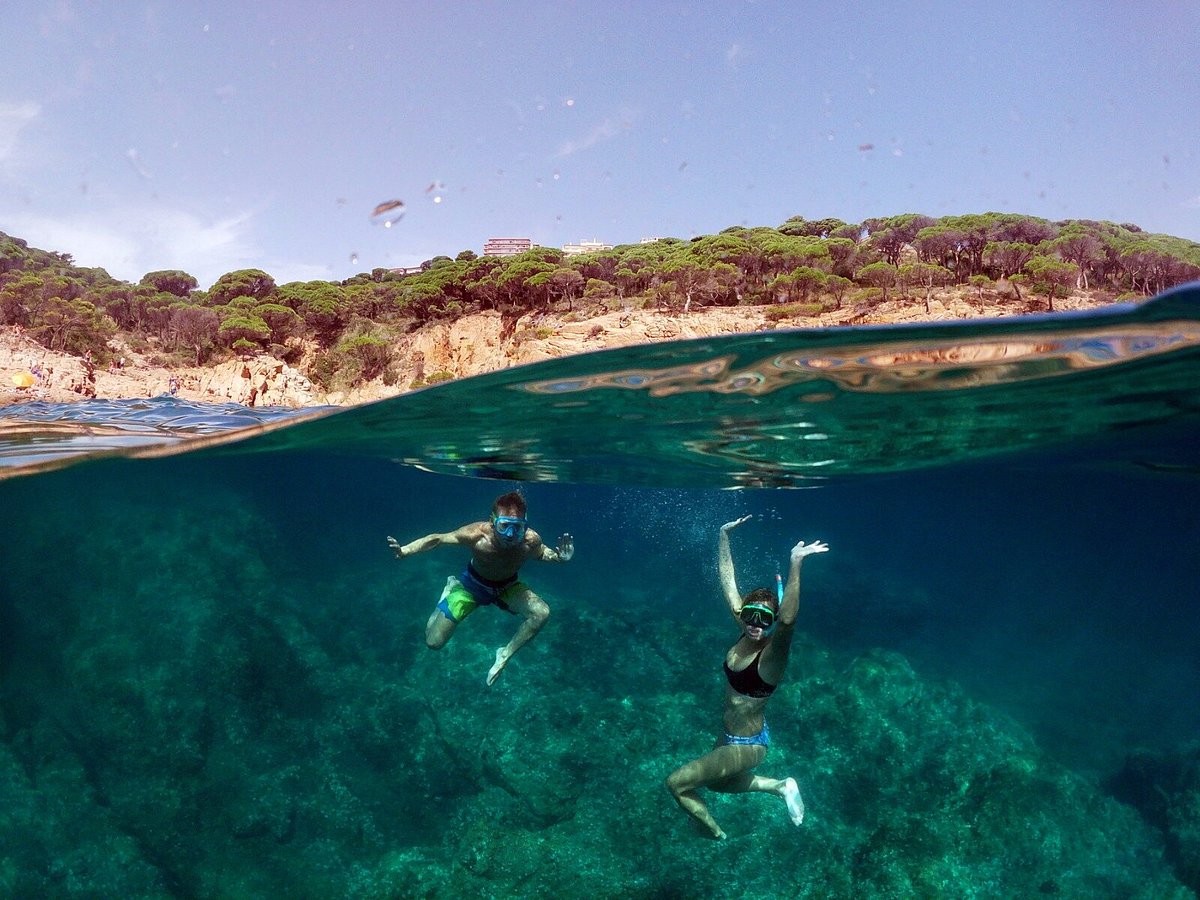
Barcelona's coastline offers accessible snorkeling from urban beaches to protected marine reserves within an hour of the city center. This guide covers visibility conditions, marine species, and which locations reward independent snorkelers with minimal gear.
Quick answer
The best barcelona snorkeling spots include Platja de la Barceloneta for beginner-friendly access, the rocky coves near Sitges for clearer water and more diverse marine life, and the Medes Islands marine reserve 90 minutes north for the region's healthiest underwater ecosystems. Water visibility ranges from 3-8 meters at urban beaches to 15-25 meters at protected sites. Early morning visits between 07:00 and 10:00 provide the clearest conditions before sediment disturbance from afternoon activity.
Barcelona's Mediterranean coastline sees over 300 days of calm sea conditions annually, yet fewer than 15% of beach visitors bring snorkel gear. The city's urban beaches offer immediate underwater access, but the richest snorkeling lies in the rocky substrate zones where sand gives way to rock—habitats that support grouper, octopus, and seasonal schools of gilt-head bream. Platja de la Barceloneta serves as the most accessible entry point, with shallow sandy slopes extending 40 meters offshore before reaching the rocky breakwater bases where marine life congregates. Visibility averages 4-6 meters here, improving significantly in the first hours after sunrise before coastal foot traffic stirs sediment. The beach operates as public access year-round with no entrance fee, though snorkelers should avoid the designated swimming lanes marked by buoys during peak summer months. Twenty kilometers south, the Garraf coast transitions to limestone cliffs and sheltered coves where underwater rock formations create habitat complexity absent from Barcelona's sandy stretches. Cala Morisca and the coves flanking Sitges consistently offer 8-12 meter visibility, with populations of damselfish, wrasse, and Mediterranean rainbow wrasse visible along the rocky shelves at 2-5 meter depths. These sites require careful entry over rocks rather than sandy beach walks, and swell conditions can shift rapidly—local dive shops in Sitges provide daily sea-state updates. The Medes Islands marine reserve, 90 minutes north near L'Estartit, represents the region's premier snorkeling destination. Protected since 1983, the reserve's waters support grouper exceeding 30 kilograms, red scorpionfish, and dense meadows of Posidonia oceanica seagrass. Visibility regularly reaches 20 meters. Access requires a short boat transfer from L'Estartit harbor, with operators running scheduled trips April through October. Independent snorkelers can explore the shallows along the islands' southern face, though the reserve prohibits anchor-dropping and removing any marine life, living or dead.
“Barcelona's urban beaches offer immediate underwater access, but the richest snorkeling lies in the rocky substrate zones where sand gives way to rock.”
Barcelona snorkeling spots located along the public coastline are accessible at all hours throughout the week. While the water remains available for independent exploration day and night, we recommend a morning arrival to ensure optimal conditions.
Snorkeling at public beaches in Barcelona is an independent activity that does not require an admission ticket. Access to the Mediterranean coastline at Platja de la Barceloneta is free of charge for all visitors.
Verdict: A typical adult pays 0 EUR for access, as there are no admission fees for public snorkeling locations.
Platja de la Barceloneta is located along the city's coastline and is easily accessible via the public transit network. The most direct approach is by metro or bus, followed by a short walk to the waterfront.
L4 line to Barceloneta station
V15, V19, or D20 lines to Pg. Marítim
From Barceloneta district to Platja de la Barceloneta
Plan your arrival for the 07:00–10:00 window to avoid peak crowds and ensure clearer water conditions before the beach becomes busy.
Independent snorkeling requires personal equipment and visibility safety gear for open water conditions.
After finishing your snorkeling session, several cultural and maritime landmarks are located within comfortable walking distance of the beach. These sites provide a logical follow-up to a morning by the Mediterranean.
15 min walk
This museum offers insight into the Roman origins of the city, providing a historical contrast to your morning in the water.
10 min walk
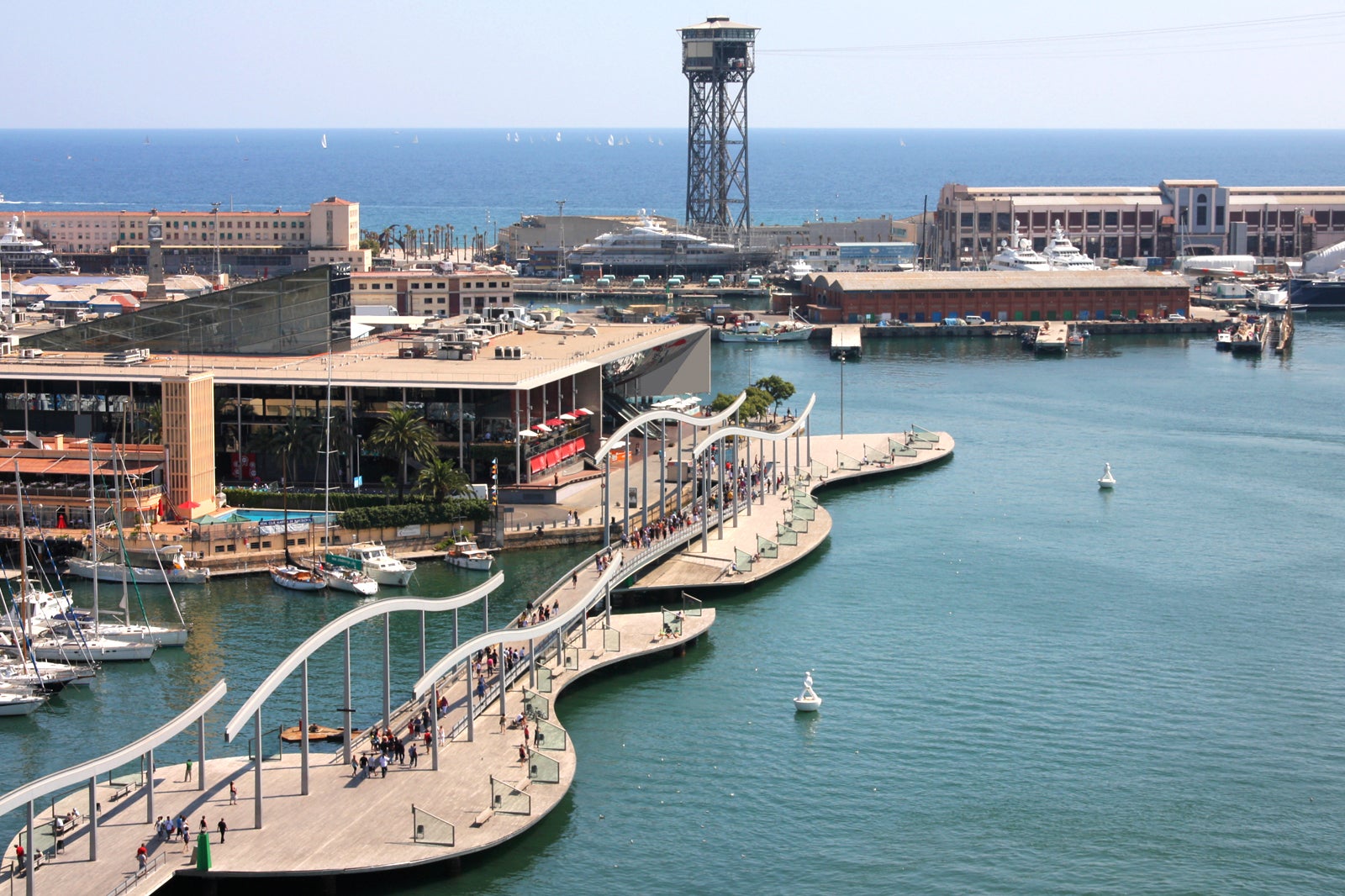
This harbor area features scenic walkways and connects the beach to the city center, making it a convenient transition point for your next activity.
8 min walk
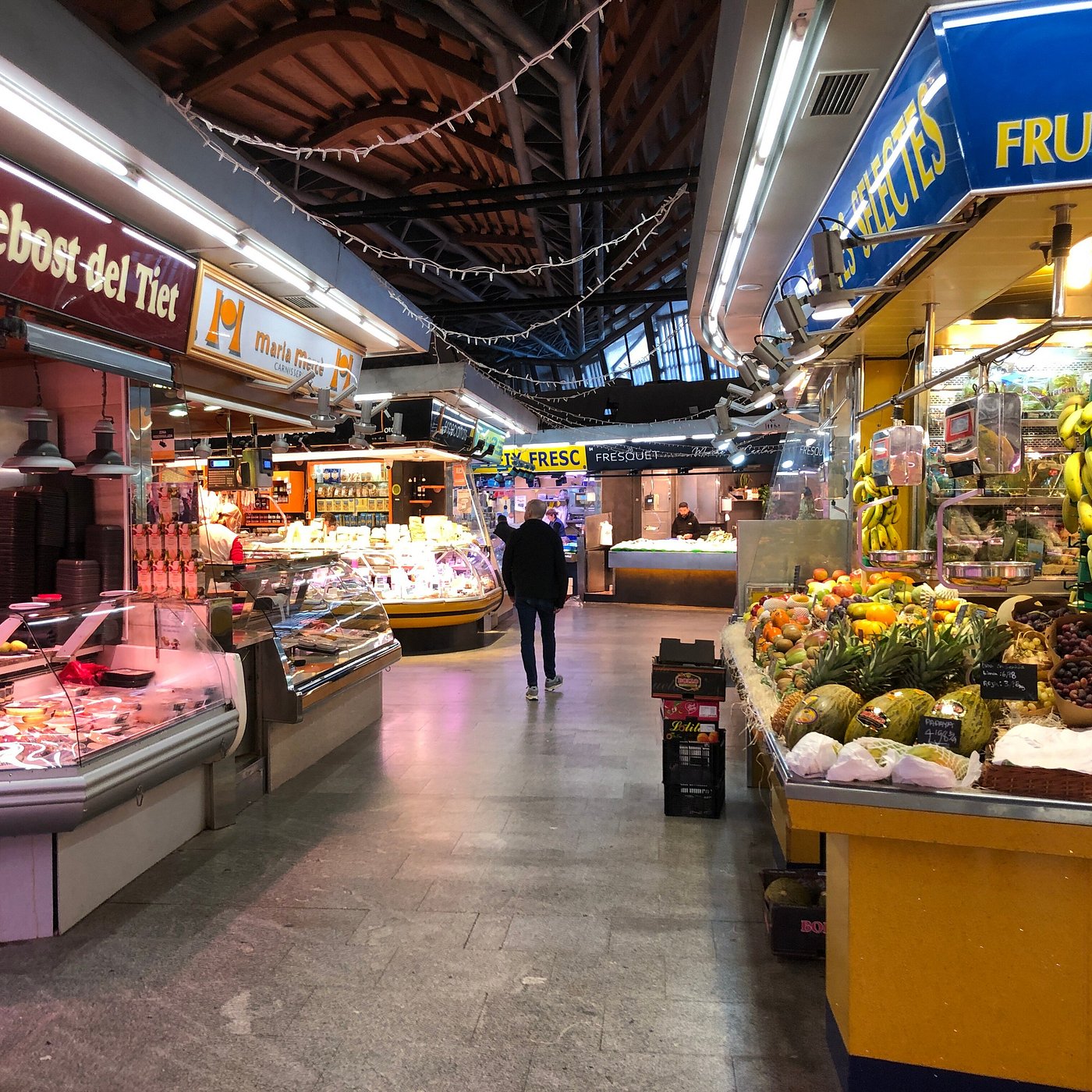
A traditional local market where you can find fresh produce and regional goods, ideal for picking up snacks after your morning swim.
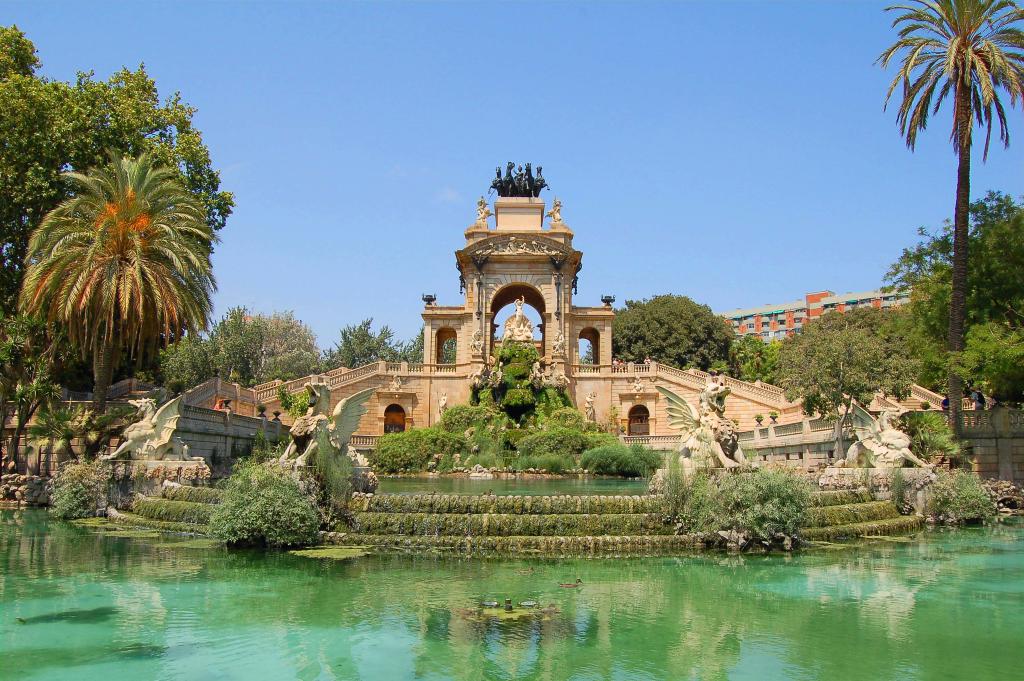
20 min walk
This large public park offers quiet green space and botanical features, serving as a calm retreat after the activity of the shoreline.
Everything you need to know about barcelona snorkeling spots
While the urban coastline is primarily known for sandy beaches, independent explorers can find rocky areas near the breakwaters that serve as modest barcelona snorkeling spots. These locations offer a chance to observe Mediterranean marine life such as sea bream and small schools of fish. Always prioritize safety by checking local sea conditions before entering the water.
To enjoy the clearest visibility and avoid peak crowds, the best arrival window is 07:00–10:00. Visiting during this period ensures quieter waters and better surface conditions for your activity. Planning your visit for early morning is the most effective way to experience these barcelona snorkeling spots effectively.
There is 0 EUR entrance fee for public beaches in the city. You can access the coastline freely to explore the underwater environment independently. This makes public beach snorkeling a budget-friendly way to enjoy the Mediterranean Sea.
While there are no official rental kiosks directly on the sand, many dive centers in the nearby port area offer gear hire for those visiting barcelona snorkeling spots. It is recommended to secure your equipment before heading to the beach. Bringing your own mask and snorkel is often the most convenient approach for independent visitors.
Local dive operators provide guided experiences for those looking to explore deeper reefs beyond the immediate shoreline. These guided snorkeling trips provide transport to more secluded coastal zones that are otherwise difficult to reach. Check our booking section to find available operators for your preferred dates.
Snorkeling alone requires caution, especially near artificial structures like breakwaters where currents can shift. It is always advised to swim with a partner and remain within designated bathing areas to ensure safety while enjoying barcelona snorkeling spots. Keep an eye on flag warnings provided by lifeguards regarding water conditions.
The coastal areas are accessible monday through sunday from 00:00–23:59. While you can access the beach at any hour, the visibility and safety conditions are highest during daylight hours. Please refer to our site navigation for specific details on seasonal water temperatures.